
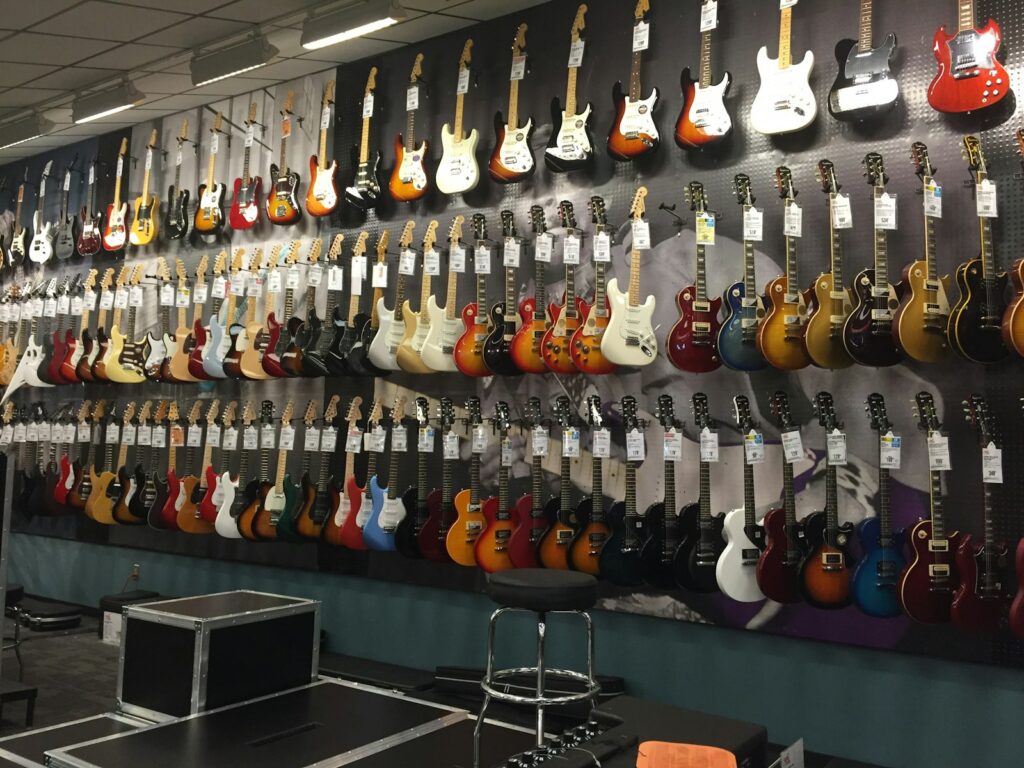
Beginner’s Guide: How to Choose Your First Guitar
So you’re ready to learn guitar — that’s awesome. But before you start, there’s one big question every new player faces.
Which guitar should I get?
With so many options, it can feel like a jungle out there. Don’t worry — this simple, no-nonsense guide will help you pick the right first guitar and understand what you really need to get started.
Step 1: Acoustic or Electric — What’s Best for You
Acoustic Guitar
Great for beginners since no amplifier is needed. You can just pick it up and play anywhere.
Perfect for folk, pop, country, or singer-songwriter styles.
Naturally louder, so you get instant feedback while playing.
Electric Guitar
Needs an amplifier and cable to get the full sound.
Ideal for rock, blues, metal, or if you want to explore effects and pedals.
Usually easier to play because the strings are lighter and the neck is slimmer.
If you’re unsure, start with an acoustic. It’s simpler, there’s less gear to manage, and you can always switch to electric later.
Step 2: New, Used, or Rental
New guitars give you peace of mind, a warranty, and that fresh feel.
Used guitars can be a great deal, but check for neck warping, buzzing strings, or heavy wear before buying.
Rentals are a smart option if you want to try guitar without committing right away. Many shops apply rental fees toward purchase if you decide to buy later.
Step 3: Size Matters
Guitars come in different sizes, which is especially important for children or players with smaller hands.
Full-size guitars work for most teens and adults.
Three-quarter and half-size guitars are great for younger kids.
If possible, hold a few guitars and choose the one that feels comfortable in your hands.
Step 4: Essential Accessories
Tuner – Keeps your guitar sounding its best. A clip-on tuner or tuning app both work well.
Picks – Try different shapes and thicknesses to see what feels right.
Capo – Lets you change keys easily without learning new chord shapes.
Extra Strings – Always good to have spares since strings break sometimes.
Guitar Strap – Useful if you want to play while standing.
Case or Gig Bag – Protects your guitar during travel or storage.
Step 5: Don’t Worry About the Brand
Many beginners think they need a Fender or Gibson, but that’s not the case.
Focus on how the guitar feels and plays, not the logo on the headstock.
Brands like Yamaha, Squier by Fender, Epiphone, and Ibanez make excellent beginner guitars that are affordable and reliable.
Bonus Tip: Ask Your Teacher
A good instructor can help you choose a guitar that fits your budget, comfort level, and style.
They’ll know what to look for and can help you avoid instruments that might look nice but play poorly.
Ready to Find Your Guitar
If you’re not sure where to start, reach out — I’m happy to help you find a guitar that feels right and inspires you to play every day.